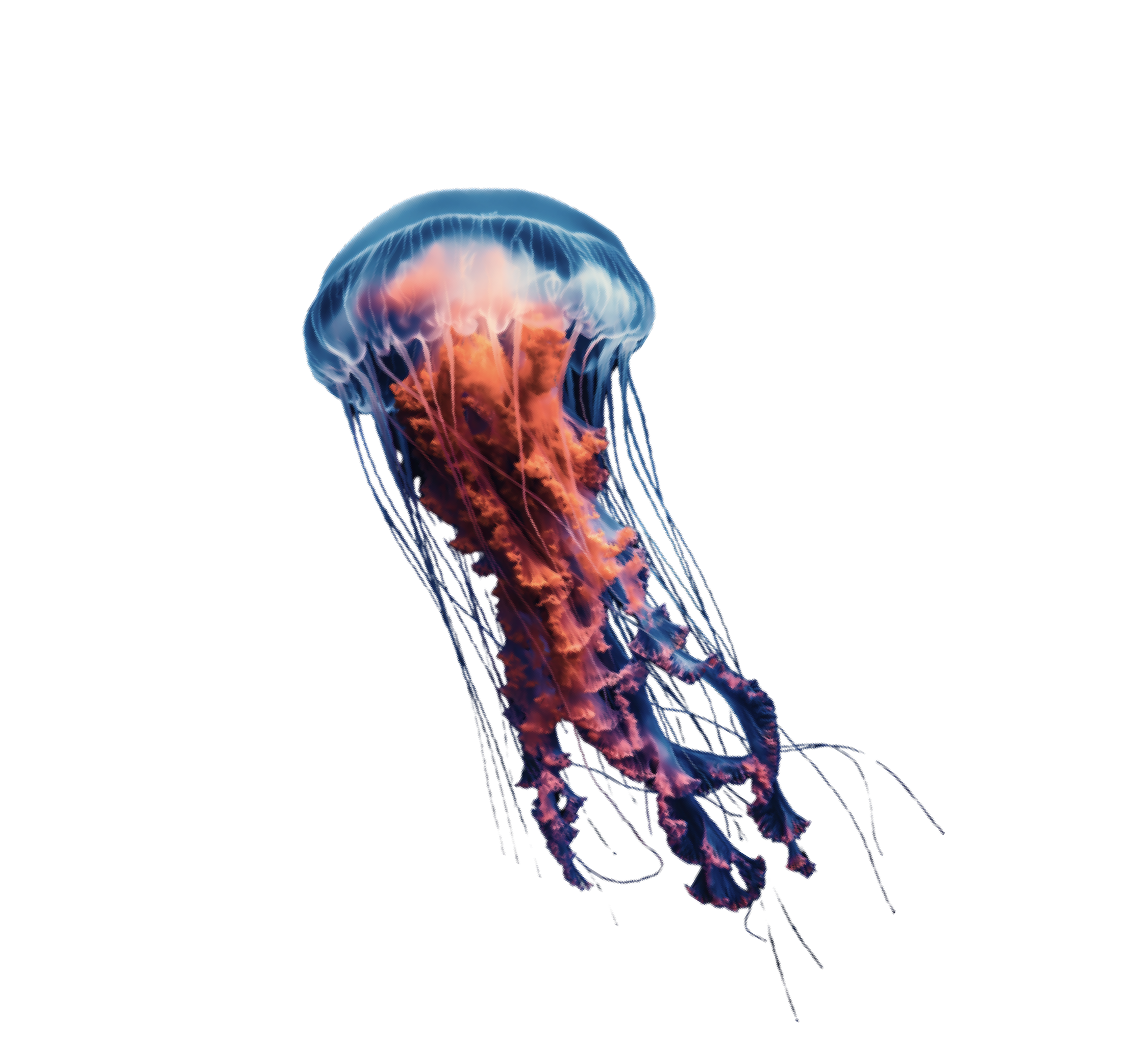
How it works
As a medical doctor in diving medicine, I recognize the importance of rapid, effective, and practical management of marine envenomation in field settings.
Based on my clinical understanding and direct field use, StingMaster Sting Relief Cream serves as a reliable adjunct for the management of pain associated with minor marine stings, including those from jellyfish, anemones, and corals. The formulation contains lidocaine 4%, a well-established topical anesthetic that works by blocking peripheral nerve signals, thereby providing temporary relief from pain and discomfort at the site of injury.
In practice, after appropriate first-aid measures—such as removal of adhered debris, rinsing with seawater, and avoidance of mechanical irritation—the application of StingMaster contributes to rapid symptom control, particularly in reducing the acute pain and burning sensation commonly observed following marine stings. This mechanism is consistent with current understanding that venom-induced pain is mediated through activation of cutaneous nerve endings.
StingMaster is a practical and clinically appropriate topical option for inclusion in dive kits, first-aid kits, and field medical preparedness, particularly in regions with frequent exposure to marine organisms.
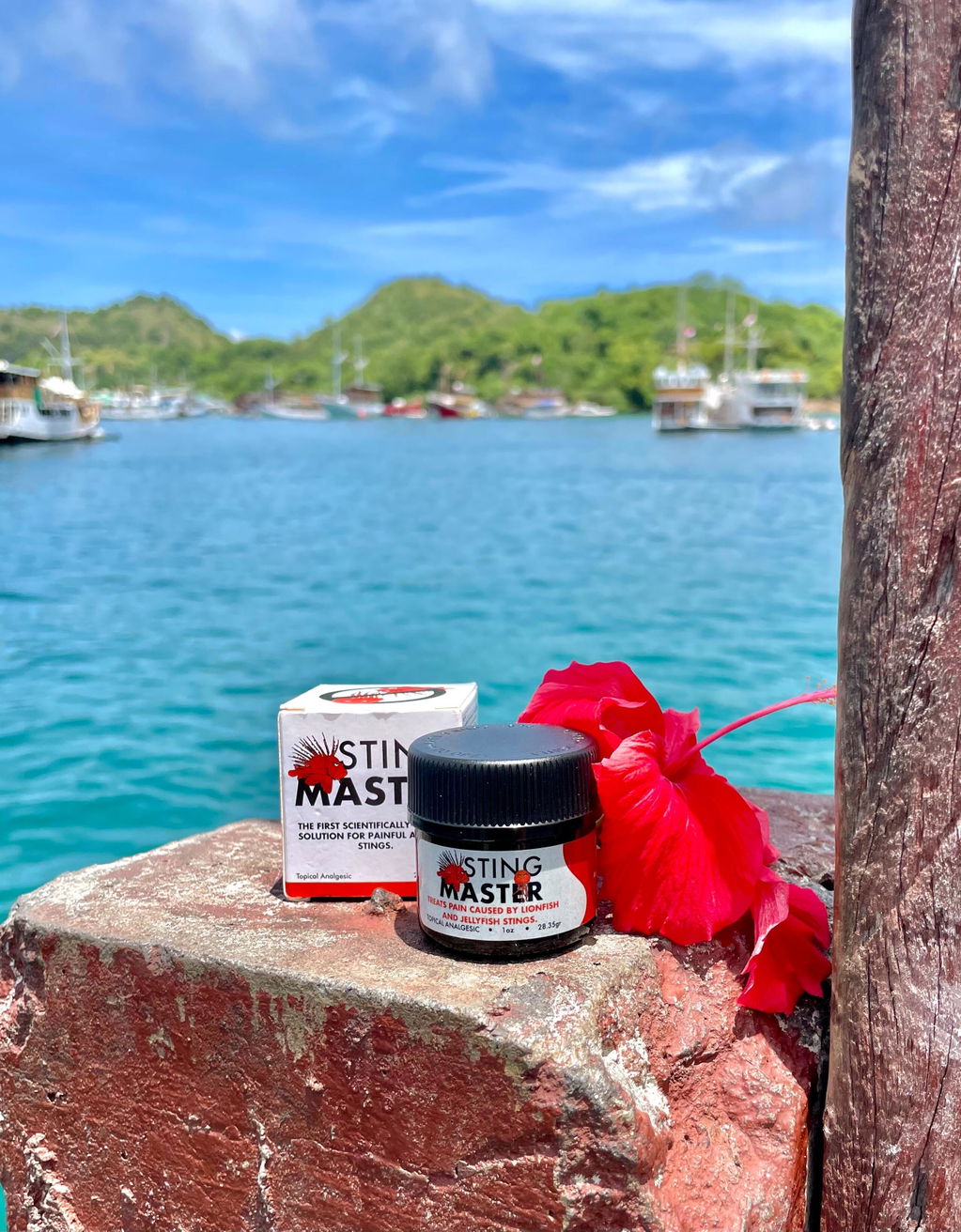
Reliable for daily wear and tough enough for adventure. 🔥
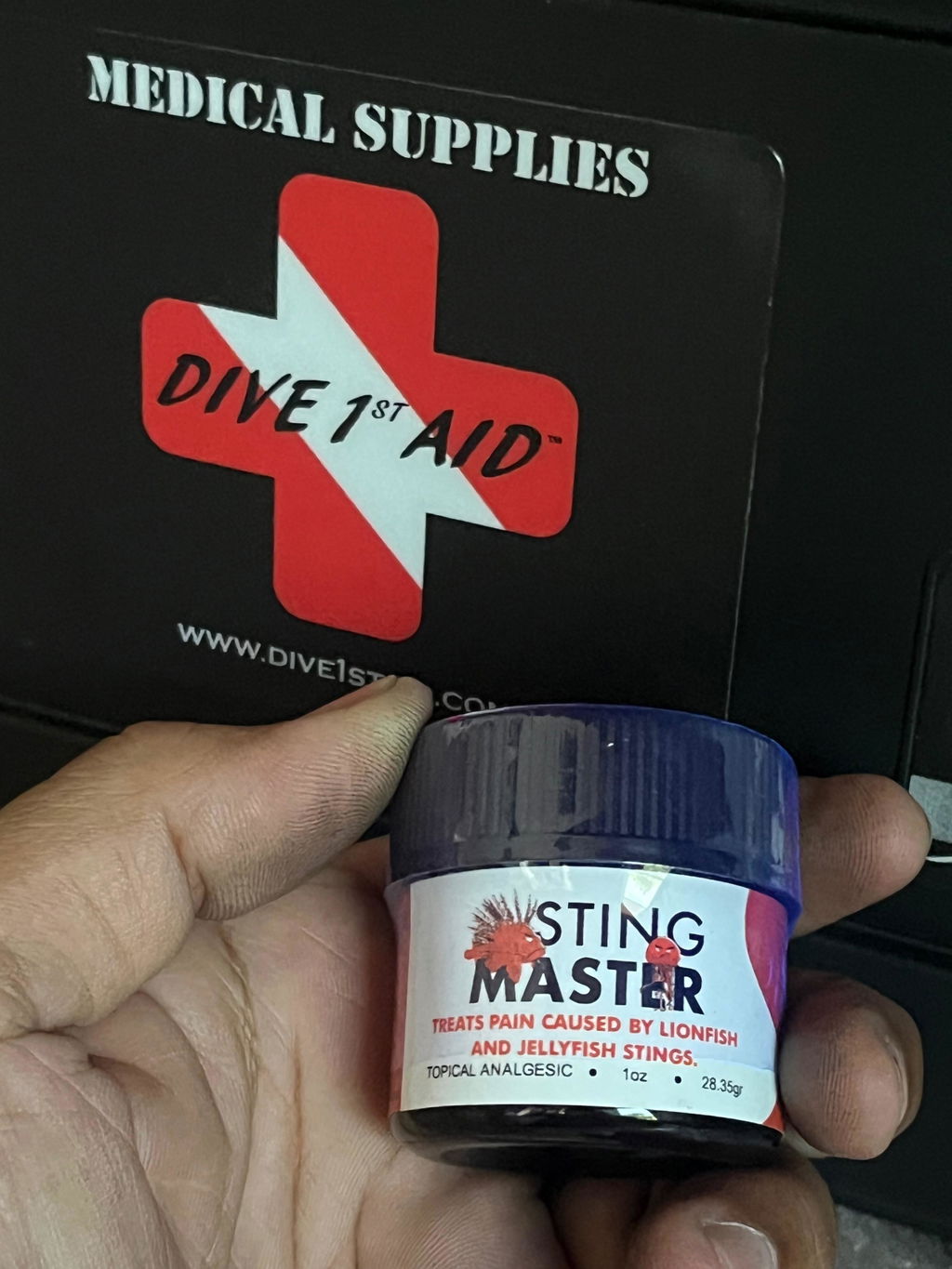
Good product...
Must have!
Bye bye vinegar...
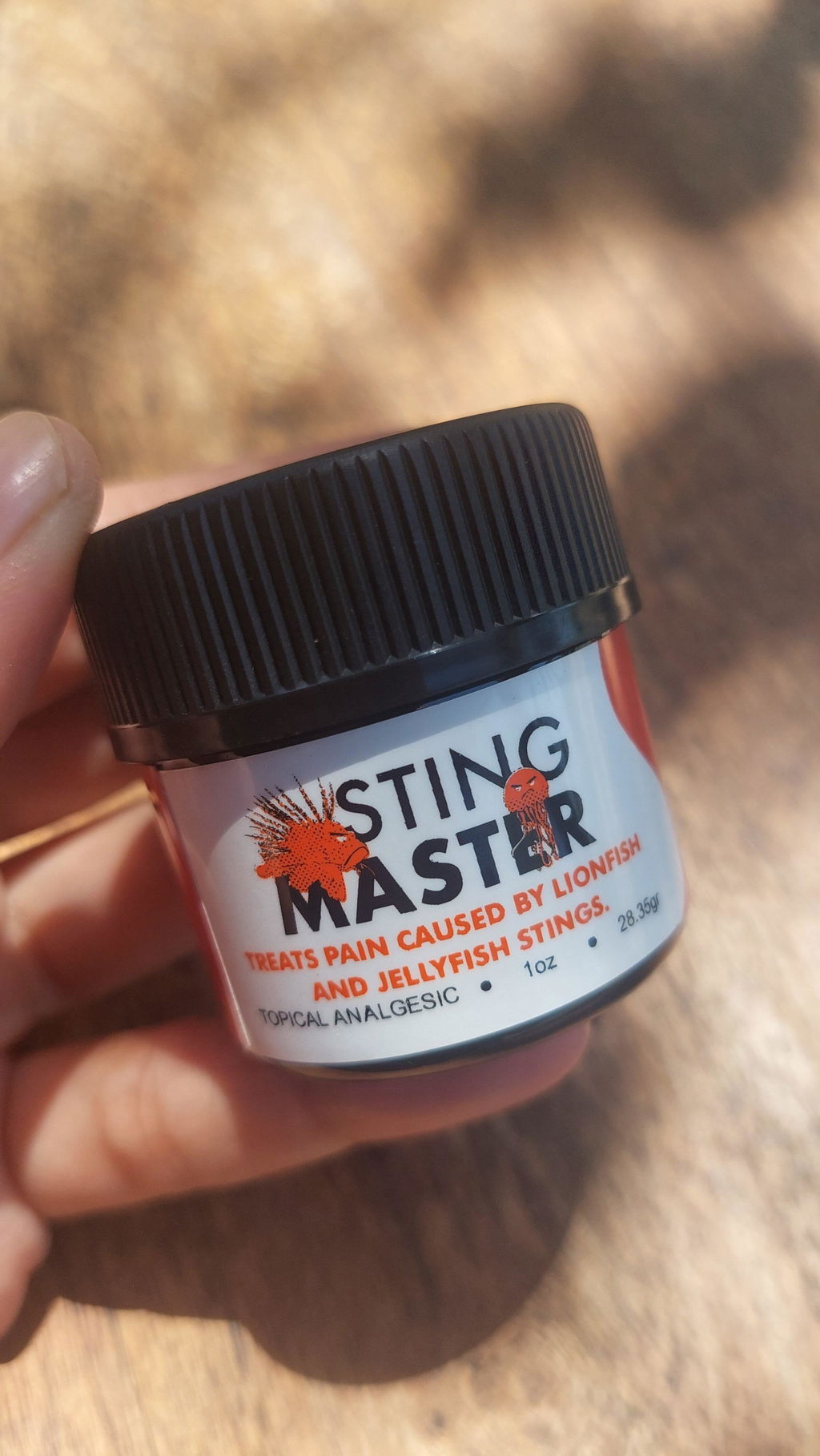
A must have for every diver in his / her personal bag. Don’t leave home without it !
The one and only.
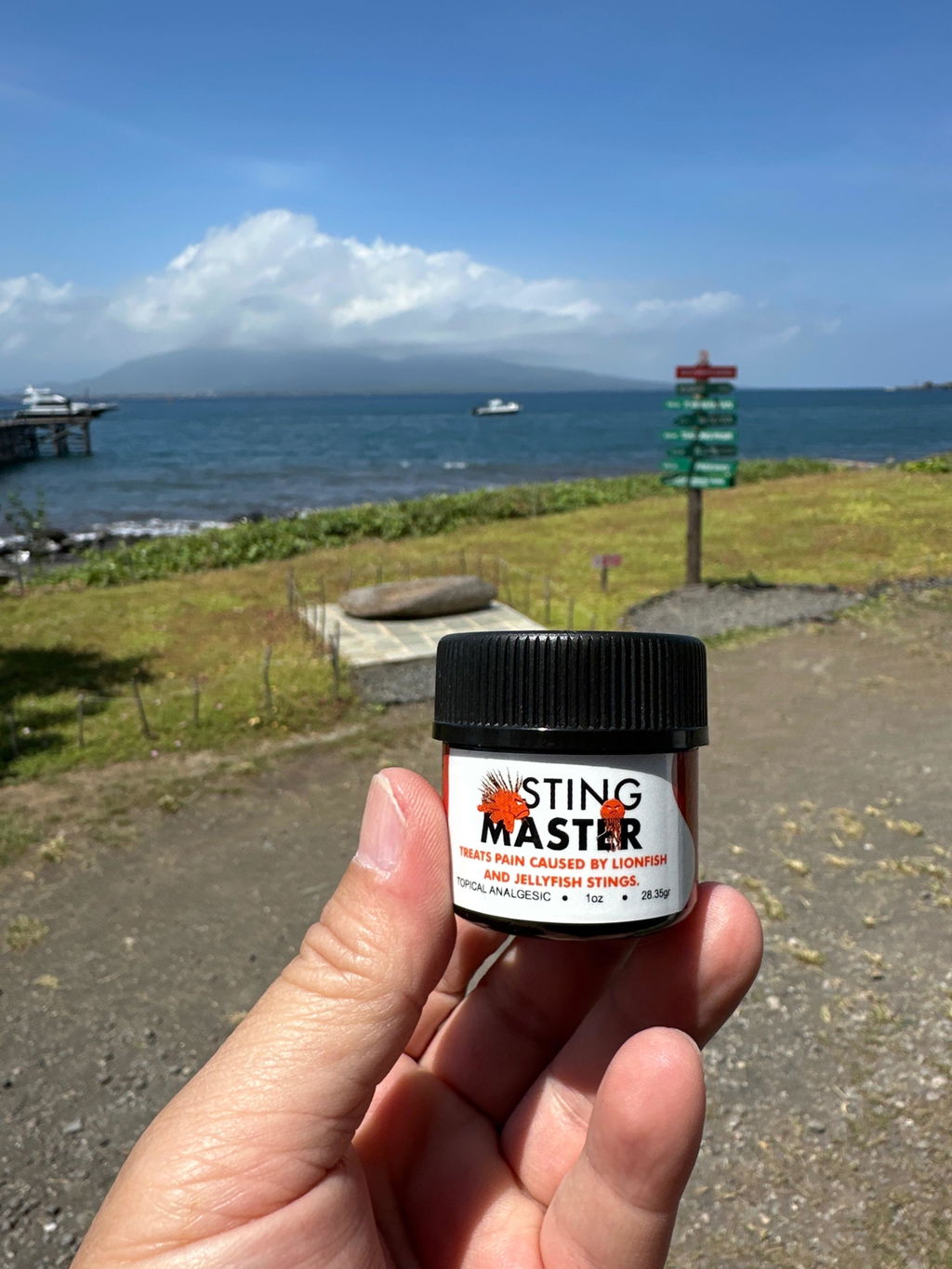
5-Star Review: StingMaster is a Must-Have! ⭐⭐⭐⭐⭐
StingMaster is fantastic! I’ve used it to relieve painful lionfish stings and jellyfish encounters while scuba diving. A small amount brings fast relief from the burning and throbbing, letting me get back in the water quickly. It works great on sea lice and fire coral too. Ouch! Clumsy mermaid. 🧜🏻♀️
Best part? It’s perfect for helping others. On group dives, I’ve pulled it out for friends hit by lionfish and jellyfish — smiles returned in minutes! Compact, non-greasy, and family-friendly, it’s now a permanent fixture in my dive bag.
Highly recommend — grab one (or a few)! You won’t regret it. 🌊🐟
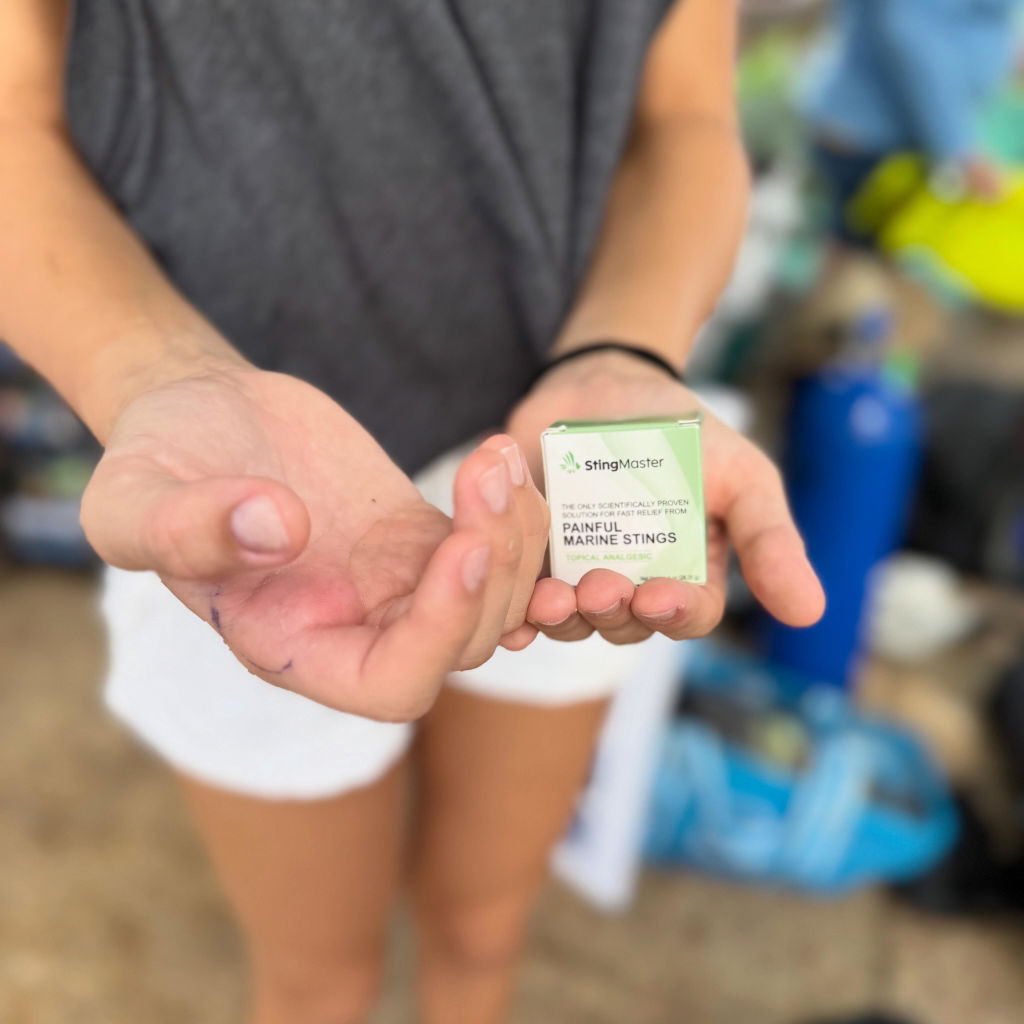
I am the UK Customer and I’ve heard many good things about this product. I haven’t been able to use it as of yet however the five stars are because of the customer service and the speed of delivery.
Your product is absolute magic. Takes away the initial pain of a jellyfish sting incredibly quickly. Thank you.
I found this at the Long Beach dive show. I am currently in Lembeh, Indonesia and day 1 was stung by nettles on my face upon surfacing. This stuff was amazing! Within minutes, the burn and pain subsided. Today, a UK diver was stung on his lips by a jellyfish. He used Sting Master and within the hour, the swelling & burn was so much better! The whole boat wanted to know what this was! 100% back up this phenomenal product!!!
Two of my friends have been poked. Both stated within 5-10 mins and all the pain was gone.
I had a terrible sting from fire corals on both of my knees during one of my coral restoration projects about a year ago. Luckily, I had Sting Master ready and applied it immediately. Amazingly, the pain disappeared almost right away, and the healing process was fast and surprisingly painless. Since then, it has become something I always keep close during fieldwork. Thank you, Sting Master!
I’ve help create Lionfish Tournaments around the world and we always bring StingMaster. It’s a must for any Lionfish stings or other aquatic stings. Works in seconds and saves the day.
Very good product.
At Ace Diving, we’ve known and trusted StingMaster since its conception. From the beginning, we believed in the product and what it was built to do, and over time it has proven itself again and again in real world conditions.
We are a Miami based dive operator running a charter boat and full service dive center, supporting recreational divers, professional level training, public safety teams, and technical diving. We actively teach and conduct tech dives, and we’re an accredited training facility across SSI, SDI, PADI, TDI, and ERDI, so we operate in environments where reliability truly matters.
We’ve used StingMaster in multiple real situations. One of our instructors was accidentally poked during a dive, and the relief came almost immediately after application. We’ve also had passengers get stung by jellyfish on several occasions, including encounters with Portuguese man o' war, and each time Sting
Master has been a go to solution onboard with fast, noticeable relief.
Because of that, it’s now part of our standard setup. We carry samples on the boat for our divers and keep units available for purchase onboard. It’s a product we genuinely trust, use regularly, and confidently recommend to anyone spending time in the ocean.
Anyone is welcome to reach out to us directly. We’re always happy to share more detailed, real world insight on how we use it, what we’ve seen over time, and help supply additional information based on actual field experience.
My daughter got stung by a bee and we used sting master and it worked great! within just a few minutes the swelling and redness started to fade!