Florida's Waters: More Than Just Sunshine and Sand
Florida is a paradise for ocean lovers, but its vibrant marine ecosystem also harbors a diverse array of creatures that can deliver a painful surprise. Among the most common concerns for beachgoers, swimmers, and divers are the classic jellyfish sting and the less-expected, yet more potent, lionfish puncture.
While both can abruptly end a joyful day, they deliver their discomfort in distinct ways. Understanding these differences isn't just for marine biologists; it's crucial for choosing the right approach to managing the pain. And regardless of the source, your goal remains the same: to find targeted comfort that helps you quickly regain your coastal confidence.
This is where StingMaster steps in, providing a science-backed solution that understands the underlying neurological impact of both these distinct threats.

The Classic Encounter: Jellyfish Stings
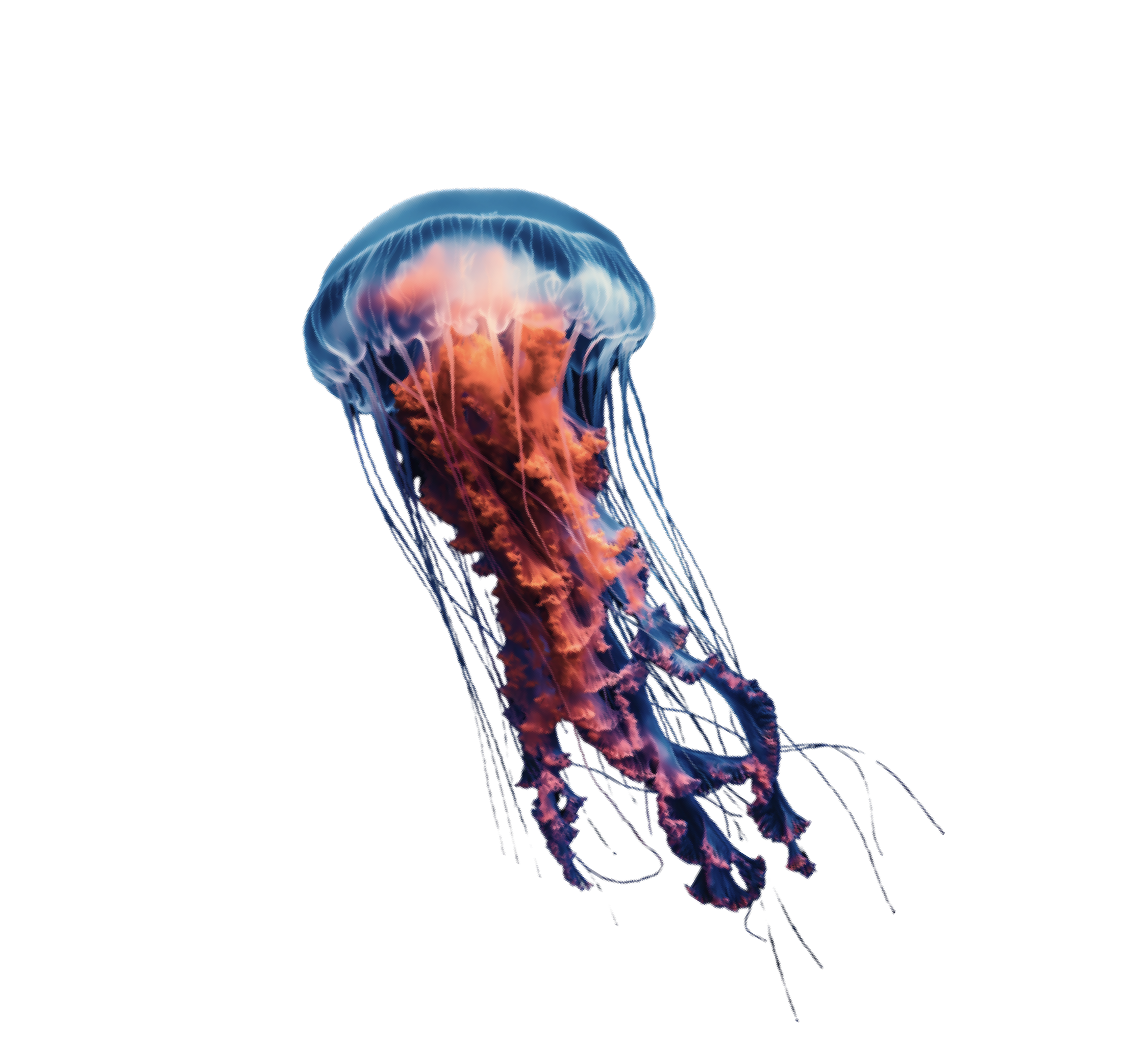
A jellyfish sting is a rite of passage for many ocean enthusiasts. The sensation is often described as an electric burn, an immediate, widespread itching, or a sharp, throbbing pain that can radiate.
How Jellyfish Sting: Jellyfish possess specialized stinging cells called nematocysts, which are microscopic harpoons loaded with venom. When these cells come into contact with skin (often from a passing tentacle), they rapidly inject venom into the skin and activate the nerve endings. This venom typically contains a cocktail of neurotoxins, cytolysins (cell-destroying toxins), and other pain-inducing compounds. The primary effect is the intense activation of pain signals and localized skin irritation.
Common Jellyfish in Florida: You'll most likely encounter species like the Moon Jelly, the Cannonball Jellyfish, or the Sea Nettle. While their stings vary in intensity, they all deliver venom that initiates a swift, chemical reaction with your nervous system.
The Prickly Predator: Lionfish Punctures
The lionfish, an invasive but stunningly beautiful species, presents a different kind of threat. These striking fish are equipped with venomous spines that deliver a sharp, intense pain upon puncture. Unlike a jellyfish sting, which is often a passive encounter, a lionfish sting typically occurs through direct contact, often by divers, snorkelers, or fishermen.
How Lionfish Sting: Lionfish venom is contained within glands at the base of their dorsal, anal, and pelvic spines. When a spine penetrates the skin, venom is injected directly into the wound. This venom is also complex, containing neurotoxins, acetylcholine, and other compounds that cause immediate, excruciating pain, swelling, and sometimes systemic reactions. The pain from a lionfish puncture is often described as a throbbing, searing pain that can persist for hours and even days without proper management.
Why Lionfish are a Concern in Florida: Their rapidly growing population means encounters are becoming more frequent, especially on reefs and wrecks popular with divers and snorkelers.
The Unifying Factor: Neuro-Pain Signal Disruption
Despite their different delivery mechanisms (passive tentacle contact vs. active spine puncture), both jellyfish and lionfish stings share a critical commonality: they introduce neurotoxic compounds that aggressively activate your body’s pain signals. Whether it’s a broad burn or a deep puncture, the underlying problem is the venom’s chemical interaction with your nerve endings.
This is the key insight that defines StingMaster’s approach.
Why StingMaster is Your Essential Solution for Both Threats
StingMaster isn't just another general cream; it's formulated to address the core problem common to both jellyfish and lionfish stings: the venom’s activation of your pain nerves.
Our specialized formula, rich in botanical ingredients, provides targeted comfort through its unique action:
- Signal Interference for Diverse Venoms: The active components in StingMaster are engineered to interfere with the chemical pathways that various marine venoms use to activate your pain nerves right in the skin. This action helps prevent the transmission of the amplified pain signals, providing relief where the problem begins, whether from a jellyfish tentacle or a lionfish spine.
- Rapid, Direct Application: Both sting types demand immediate attention. StingMaster is designed for quick, direct topical application, allowing its soothing properties to begin working without delay. Its rapid absorption ensures the botanicals engage with the affected area promptly.
- Comprehensive Soothing Action: Beyond the targeted internal action, the cream's multi-strategy blend includes soothing agents that help calm skin irritation, ease redness, and manage localized swelling that frequently accompany both jellyfish stings and lionfish punctures.
Whether you're exploring Florida's reefs, swimming in its vibrant waters, or fishing its rich shores, encounters with marine life are part of the experience. Don't let the threat of different stings create anxiety. Carry the one solution designed to address the underlying neurological impact of both the common jellyfish and the formidable lionfish.
Choose StingMaster - your essential tool for Targeted Comfort and a swift return to enjoying all that Florida's amazing coast has to offer.