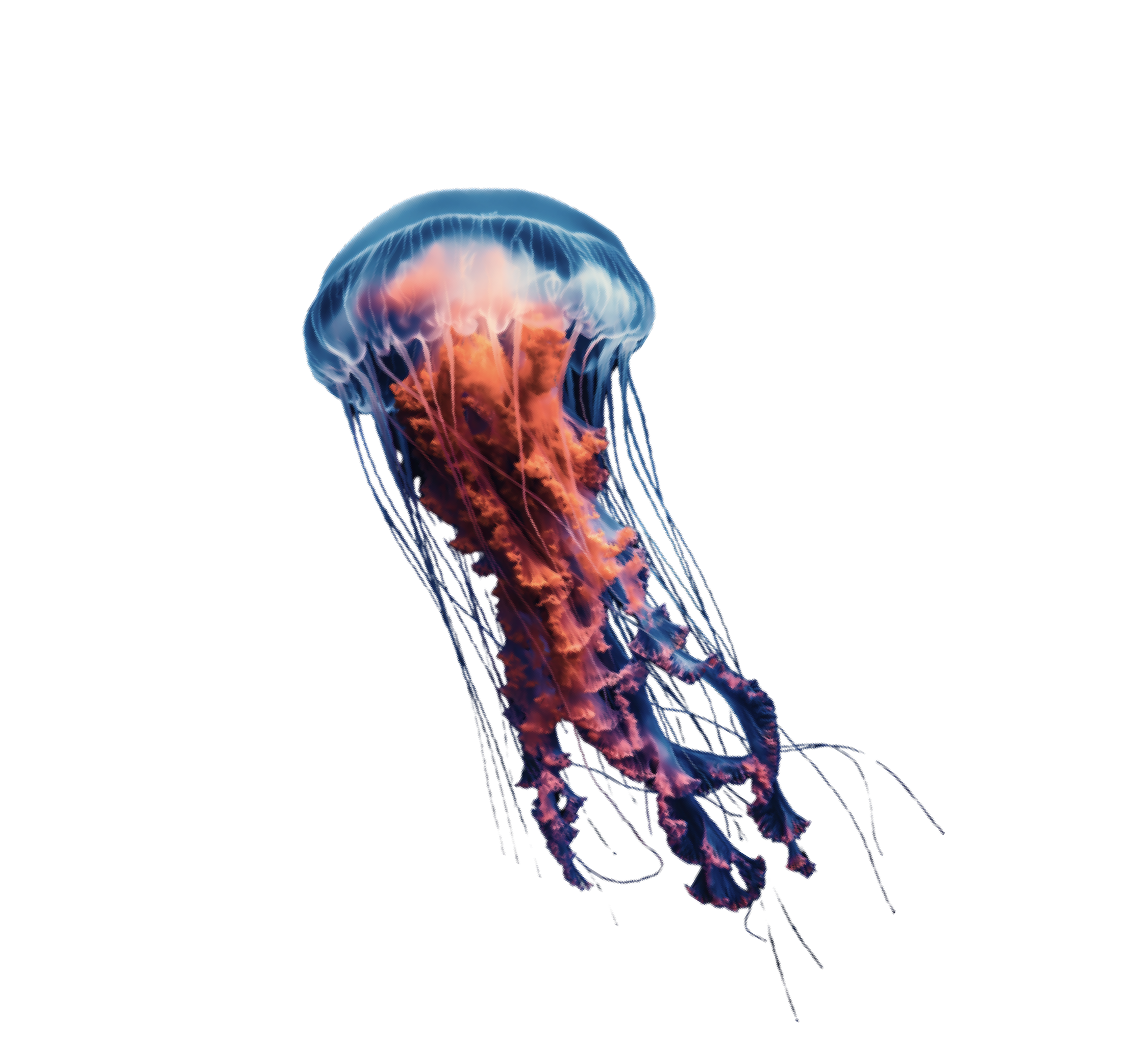
A day at the beach with kids should end with sandy feet and tired smiles, not a screaming toddler and a ruined afternoon. But Florida's warm, shallow water is exactly where families and stinging marine life cross paths most often. Knowing a few simple, evidence-based steps ahead of time turns a painful surprise into a manageable hiccup.
This guide covers the stings and scrapes families actually run into at the beach, how to treat them calmly (including on young children), what to keep in your beach bag, and how to lower the odds of getting stung in the first place.
What stings and bites do families encounter at the beach?
Most beach injuries with kids fall into a handful of categories:
- Jellyfish and sea nettle stings: the most common marine sting on Florida beaches, usually causing a red, painful welt in a line or splatter pattern.
- Sea lice (jellyfish larvae): tiny stinging larvae that get trapped under swimwear, causing an itchy, bumpy rash.
- Fire coral and hydroid stings: a burning sting from brushing against reef structures while snorkeling.
- Lionfish and sea urchin injuries: less common for casual swimmers, but a real risk for snorkelers and divers near reefs.
- Land bites and stings: mosquitoes, sand fleas, fire ants, bees, and wasps near the dunes and grass behind the beach.
The good news: the large majority of these cause localized pain and irritation that you can manage on the spot. The rare exception, a severe allergic reaction, is covered below, because recognizing it quickly matters most.
How do you treat a child's jellyfish sting, step by step?
First-aid guidance for jellyfish stings is well established by major first-aid organizations. The core steps:
- Get out of the water and stay calm. Keep the child still; avoid panicking and rubbing, as it spreads the sting.
- Don't rinse with fresh water, and don't rub with a towel or sand. Fresh water and friction can trigger any remaining stinging cells to fire and release more venom.
- Remove visible tentacles with tweezers or a gloved hand, not bare fingers.
- Rinse the area with seawater (or, for certain jellyfish species, vinegar, which can stop unfired stinging cells from discharging). Guidance on vinegar varies by species and region, so follow local lifeguard or medical advice when posted.
- Apply heat for pain. Soaking the area in hot water (about 104-113°F / 40-45°C) for 20-45 minutes helps break down many protein-based venoms. When hot water isn't practical, apply a reusable heat pack on the affected area. For children, always test the water on your own skin first: young skin burns easily, and the goal is "hot bath," not scalding.
- Treat lingering pain and itch with a topical sting-relief product, then watch the area over the next several hours.
Seek medical care right away for stings to the face or eyes, stings covering a large area, stings on very young children, or any sign of an allergic reaction.
What's the fastest way to relieve the pain afterward?
Once the immediate first-aid steps are done, families typically want something that calms the pain and itch quickly so a child can get back to enjoying the day. Topical relief creams, including lidocaine-based products like StingMaster, are designed for exactly this stage: applied directly to the sting site for fast, targeted relief that's easy to carry in a beach bag.
StingMaster is formulated to work on a range of marine and land stings (jellyfish, fire coral, lionfish, plus insect bites and sand fleas, and other stings), which is part of why families like packing a single product instead of several. It's labeled for use on children ages 2 and up. As with any topical medication, follow the label directions, check with your pediatrician before using it on children younger than 2 years of age, and never apply it to broken skin, eyes, or the mouth.
A relief cream is a comfort-and-pain step, not a substitute for the first-aid steps above or for emergency care when it's needed.
What should be in a family beach first-aid kit?
A compact kit you keep packed all summer beats scrambling when someone's already hurt. A practical Florida beach kit includes:
- A topical sting-relief cream (multi-purpose, so it covers marine and insect stings)
- Tweezers (for tentacles, splinters, and sea urchin spines)
- A small bottle of vinegar in a leak-proof container
- A few reusable heat packs (useful when hot water isn't handy)
- Antiseptic wipes and adhesive bandages for cuts and scraped feet
- Children's pain reliever (acetaminophen or ibuprofen, dosed for your child)
- Antihistamine for minor allergic reactions (ask your pediatrician about the right one and dose)
- Reef-safe sunscreen and a copy of any child's allergy/EpiPen plan if relevant
Keep it in a sealed dry bag so sand and saltwater don't get in.
How can families prevent beach stings in the first place?
- Check beach warning flags. A purple flag means dangerous marine life (often jellyfish) is present.
- Ask the lifeguard whether jellyfish or sea lice have been reported that day.
- Consider protective swimwear. A rash guard or a full-body swim suit (often called a dive skin) reduces exposed skin for snorkelers and sensitive kids.
- Rinse and change out of swimwear promptly to avoid sea-lice rash, which develops under wet suits and bathing suits.
- Teach kids to look but not touch reef structures, washed-up jellyfish (which can still sting on the sand), and unfamiliar marine animals.
When is a sting a medical emergency?
Most stings are painful but not dangerous. Call emergency services immediately if a child shows signs of a severe allergic reaction (anaphylaxis):
- Difficulty breathing, wheezing, or throat tightness
- Hives spreading away from the sting, or swelling of the face, lips, or tongue
- Dizziness, fainting, or a rapid, weak pulse
- Repeated vomiting or a sense of something being seriously wrong
If the child has a prescribed epinephrine auto-injector (EpiPen), use it according to their action plan and get to a hospital. Also seek care for stings from box jellyfish or other highly venomous species, stings to the eye, or any sting that isn't improving.
Family Beach Sting FAQ
Is StingMaster safe for kids?
StingMaster is labeled for use on children ages 2 and older. As with any topical medication, follow the label, avoid broken skin and the eye/mouth area, and check with your pediatrician before using it on a younger child.
Should I use vinegar or hot water on a jellyfish sting?
Both appear in standard first-aid guidance, but their usefulness depends on the jellyfish species. Vinegar can stop unfired stinging cells; hot-water immersion helps with pain for many stings. When in doubt, follow posted lifeguard or local medical advice.
Is it true you should pee on a jellyfish sting?
No. This is a popular myth with no good evidence behind it, and it can make things worse. Stick to the steps above.
What about sea lice / "ocean itch"?
Rinse off, remove your swimsuit, and shower; the itchy rash comes from larvae trapped against the skin under swimwear. A topical anti-itch or sting-relief product can ease the discomfort. Remember: StingMaster also relieves the itchiness caused by many species, such as sand fleas, mosquitoes, and many more!
This article is general first-aid information, not medical advice. For severe reactions, stings to young children, or anything you're unsure about, seek professional medical care. Always follow product labels and your pediatrician's guidance.