The DEMA Show 2025 in Orlando was an electrifying convergence of the diving, travel, and action water sports communities. Beyond the dazzling gear and exotic travel packages, the Show’s educational programming offered the deepest value, equipping industry professionals with cutting-edge knowledge. StingMaster was proud to be at the heart of this educational effort, sharing critical, science-backed insights into diver safety and first aid.
Our session, "Understanding the Pain Caused by Marine Venomous Species," drew a significant crowd to the Resource Center Snapshot Sessions at Show Floor Booth 965. Led by the renowned expert, Dr. Reza Sharif-Naeini, Scientist, representing StingMaster and McGill University, the presentation shed light on a common yet often misunderstood danger in the marine world.
Dr. Sharif-Naeini emphasized a crucial statistic: over 150 million people annually suffer stings from various marine venomous creatures, including jellyfish, fire coral, lionfish, and sea urchins. Many of these incidents occur while enjoying diving, snorkeling, or other surface water activities. The session highlighted that effective first aid must start with a deep understanding of the venom itself. As a Professor and Director of the McGill Pain Research Center, Dr. Sharif’s research on how these toxins hijack pain-sensing nerve cells is the foundation for the rapid, targeted relief provided by StingMaster.

Your Top StingMaster and Marine First Aid Questions, Answered
Following the DEMA Show, we received numerous questions both at the booth and online. To leverage the energy and traffic from the show, we’ve compiled and answered the most common inquiries about marine stings, treatment, and the StingMaster product.

1. What is the most common mistake people make when treating a jellyfish or marine sting?
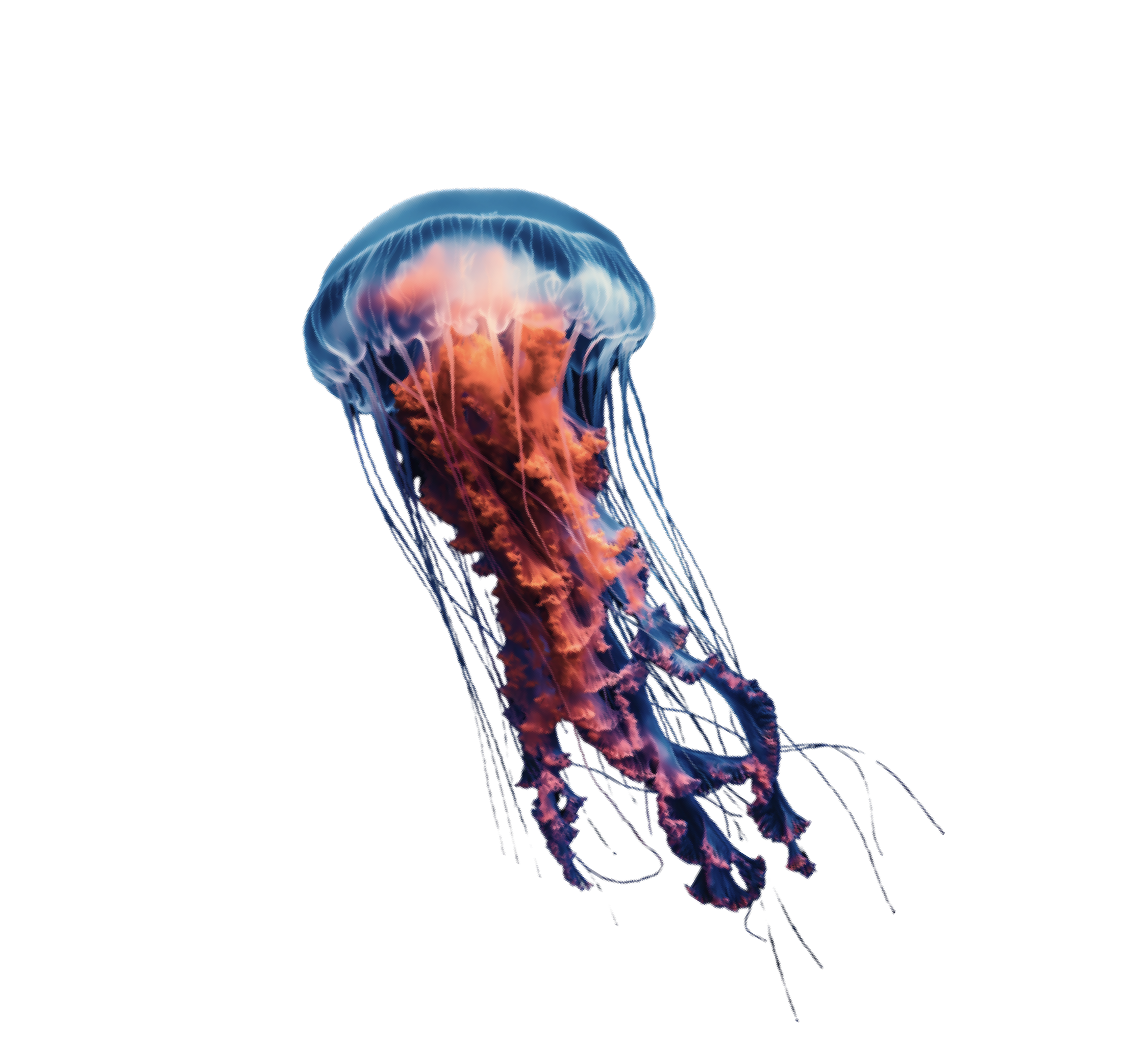
The most common mistake is relying on anecdotal or outdated methods that lack scientific validation. For decades, treatments like applying fresh water, ice, or even certain chemicals (depending on the venom) were recommended. However, scientific research—like the work presented at DEMA Show—shows that these often provide minimal benefit or can, in some cases, worsen the pain by triggering more venom discharge from remaining nematocysts (stinging cells).
The StingMaster Difference: Modern first aid protocols emphasize the use of heat, which denatures protein-based toxins, and targeted topical application that addresses the venom’s mechanism of action. Always follow the specific instructions for the venom type and seek professional medical help immediately for severe reactions or stings from dangerous species like the Box Jellyfish.
2. How does StingMaster’s treatment differ from a traditional application of hot water or vinegar?
While hot water (carefully applied) remains a standard recommendation for denaturing many protein toxins, its effectiveness relies on maintaining a consistent, high temperature over the affected area, which can be challenging and carries a burn risk. Vinegar is typically recommended only for specific types of Jellyfish stings to prevent further nematocyst discharge, and is ineffective for many other common jellyfish.
StingMaster is formulated with ingredients that are scientifically optimized to interact with the venom and the painful nerve signals it generates. It offers a convenient, portable, and readily available solution that can be applied immediately, providing quick relief while the diver prepares for follow-up care. Its targeted, non-invasive application is designed to be user-friendly in a challenging marine environment, a key point we stressed at the show.
3. Can StingMaster be used for all types of marine stings, including lionfish and sea urchin spines?
StingMaster is primarily formulated for treating the venom-induced pain associated with stinging marine life such as most jellyfish, lionfish, fire coral, and certain hydrozoans.
For injuries like sea urchin spines, the initial priority is:
- Sea Urchin Spines: Removal of spines (if possible and safe), followed by the application of the cream, then heat to inactivate the small amount of venom that may be present.
While StingMaster may offer symptomatic relief for the pain associated with the venom of creatures like the lionfish, it is not designed for spine removal. We advocate that divers carry StingMaster as part of a comprehensive first aid kit that includes heat source options (like a chemical heat pack) and tools for treating puncture wounds.
4. What are the signs of a severe allergic reaction (Anaphylaxis) after a marine sting?
This is one of the most crucial safety questions. While most stings cause localized pain, redness, and swelling, a severe, life-threatening allergic reaction (anaphylaxis) can occur. Divers and divemasters must be trained to recognize these signs immediately:
- Respiratory: Difficulty breathing, wheezing, throat tightness, or coughing.
- Circulatory: Dizziness, fainting, rapid or weak pulse, or a drop in blood pressure.
- Skin (often the first sign): Hives spreading away from the sting site, generalized flushing, or severe swelling of the face, tongue, or lips.
- Other: Nausea, vomiting, or a feeling of impending doom.
Action: Immediate transport to a medical facility is mandatory. If the person has a prescribed epinephrine auto-injector (EpiPen), it must be administered immediately according to their training. StingMaster is a first-line pain management product, not a substitute for emergency medical treatment.

5. Where can I buy StingMaster, especially after seeing the demo at DEMA Show?
We were thrilled by the retail interest generated at DEMA Show 2025. StingMaster is available through a growing network of dive shops, pharmacies, and online retailers that specialize in dive safety and travel health.
- For Retailers/Dive Centers: If you are a business owner, please contact us directly through our website and at info@stingmaster.com and we will put you in touch with our distributor for wholesale discount options for your dive boats and retail inventory.
- For Consumers: You can find StingMaster on our official website and through major online marketplaces. We encourage every diver and snorkel enthusiast to keep a StingMaster pack in their gear bag.
Looking Ahead: The Future of Marine Safety
The overwhelming response to our educational session confirms that the diving community is deeply invested in safety based on verifiable science. StingMaster is committed to translating cutting-edge pain research into practical products that will save your trip from the downtime you would have otherwise.
We thank everyone who came to ask us questions and participated in the DEMA Show experience. We look forward to seeing you at the next DEMA Show!
For more information on the science behind our product and to stay updated on new marine safety protocols, check out StingMaster blog today.