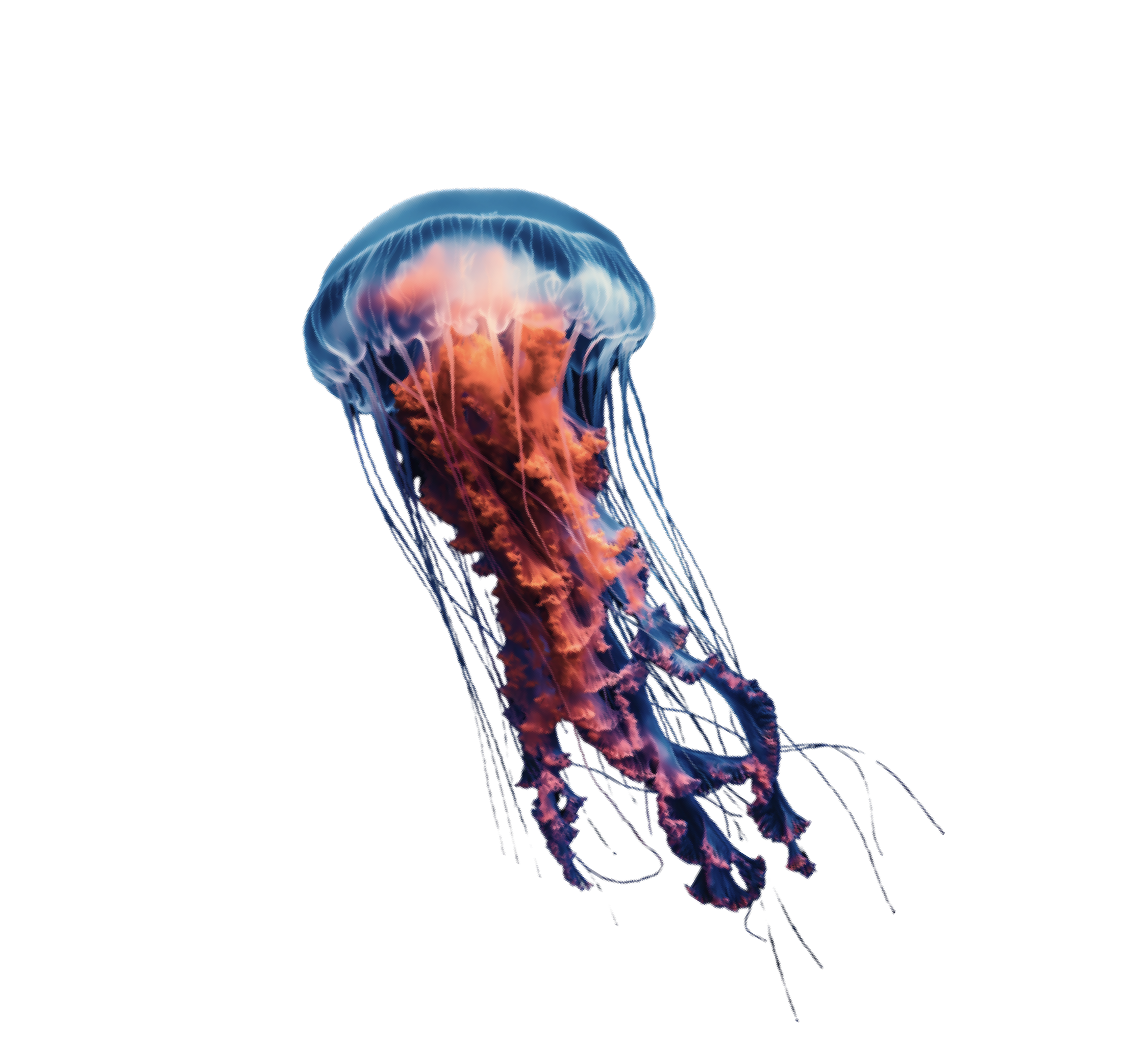
There’s an undeniable allure to the ocean. Its vastness, its vibrant ecosystems, and the promise of endless adventure draw millions to its shores every year. But beneath the sparkling surface and rhythmic waves lies a world teeming with incredible creatures, some of which possess a defense mechanism that can quickly turn a blissful beach day into a painful memory: the jellyfish sting.
For years, encountering a jellyfish has often been met with a mix of awe and trepidation. Their ethereal beauty belies a potent sting, and over generations, a complex web of first aid folklore has emerged. From grandmothers’ tales to popular culture references, advice on treating jellyfish stings has been passed down, often without scientific scrutiny. But when it comes to managing pain and preventing further injury, separating fact from fiction isn't just academic – it's crucial.
In this comprehensive guide, we'll demystify jellyfish stings. We’ll explore the science behind these intriguing creatures, debunk common myths that can actually worsen the situation, and provide evidence-based first aid recommendations. Most importantly, we'll introduce you to StingMaster, a modern, scientific solution designed for fast, effective pain relief from marine stings.
The Science of the Sting: How Jellyfish Deliver Their Punch
Before we can effectively treat a jellyfish sting, it's essential to understand how it happens. Jellyfish aren't aggressive hunters in the traditional sense; their stings are primarily a defense mechanism and a means to paralyze prey.
The magic, rather, the danger, lies in specialized cells called cnidocytes, found in their tentacles. Each cnidocyte contains a tiny, harpoon-like structure called a nematocyst. When triggered by touch or chemical changes, this microscopic mechanism fires with incredible speed and force, injecting venom into the skin.
Jellyfish venom is a complex cocktail of proteins and peptides. The specific composition varies greatly between species, which is why the severity and type of reaction can range from a mild, itchy rash to excruciating pain, muscle cramps, and in rare cases, systemic reactions requiring immediate medical attention.
When nematocysts fire, they embed themselves in the skin. The immediate sensation is often described as a burning, stinging, or throbbing pain, followed by redness, swelling, and sometimes blistering. The key to effective first aid, therefore, is not only to alleviate the pain but also to prevent any unfired nematocysts still on the skin from releasing more venom.
The Perils of Misinformation: Debunking Common Jellyfish Sting Myths
The internet is awash with advice on treating jellyfish stings, much of it outdated, ineffective, or outright harmful. Let's tackle some of the most pervasive myths head-on:
Myth #1: Pee on It! (The Urine Myth)
This is arguably the most famous and persistent jellyfish sting myth, immortalized in TV shows and movies. The idea is that urine, containing ammonia, will neutralize the venom or deactivate the nematocysts.
- The Reality: DO NOT URINATE ON A JELLYFISH STING. The ammonium concentration in human urine is not enough to neutralise venom or deactivate nematocysts. In fact, the chemical imbalance or even the physical act of urinating on the sting can sometimes trigger more nematocysts to fire, worsening the pain and injecting more venom. This myth is not only ineffective but can make the situation significantly worse and is, let's be honest, quite unpleasant.
Myth #2: Rub Sand on It / Scrape It Off!
Another common piece of advice is to try and scrape off the stinging cells with sand, a credit card, or even a knife.
- The Reality: Rubbing sand or scraping the affected area is a terrible idea. These actions can rupture more stinging cells that are still attached to the skin, releasing more venom and increasing pain. While gently removing visible tentacle fragments is important, aggressive scraping will only cause more harm.
Myth #3: Use Fresh Water to Rinse It.
It seems intuitive, right? Rinse the sting with fresh water to clean it.
- The Reality: Rinsing a jellyfish sting with fresh water can be detrimental. The osmotic difference between fresh water and the highly saline environment where jellyfish live can cause unfired nematocysts to burst and inject more venom. This is a crucial point to remember for effective jellyfish sting treatment.
Myth #4: Alcohol or Ammonia Will Neutralize the Sting.
Some believe applying alcohol (like rubbing alcohol or spirits) or ammonia will help.
- The Reality: Similar to fresh water, alcohol can trigger unfired nematocysts. Ammonia is also not recommended as it can be irritating and ineffective. Stick to scientifically backed solutions.
Myth #5: All Jellyfish Stings Are the Same.
This misconception leads to a one-size-fits-all approach to first aid for jellyfish stings.
- The Reality: As mentioned, venom composition varies dramatically by species. A sting from a Portuguese Man O' War, box jellyfish, or Irukandji jellyfish can be far more serious than a common moon jellyfish sting and may require immediate medical attention beyond basic first aid. Always try to identify the type of jellyfish or take a photo if possible, to show health personnel, and monitor the individual for signs of a severe reaction (difficulty breathing, chest pain, widespread rash, dizziness).
Evidence-Based First Aid: What Actually Works
Now that we've cleared away the misinformation, let's focus on the proven steps for treating jellyfish stings. The primary goals are to deactivate unfired nematocysts, remove any remaining tentacles, and relieve pain.
Step 1: Get Out of the Water Safely. This might seem obvious, but it’s the crucial first step. Ensure the stung individual is safely away from the jellyfish and any potential further stings.
Step 2: Deactivate Unfired Nematocysts (Vinegar is Your Friend!). For most common jellyfish stings (excluding Portuguese Man O' War and some box jellyfish where hot water is preferred), vinegar (acetic acid) is your go-to solution. Liberally douse the affected area with household vinegar for at least 30 seconds. Vinegar helps to stabilize and prevent unfired nematocysts from discharging more venom.
- Important Note: For Portuguese Man O' War stings, some sources suggest hot water (as hot as tolerable, around 104-113°F or 40-45°C) or saltwater rinse instead of vinegar. Always be aware of the specific species if possible, especially in regions known for more dangerous jellyfish. When in doubt, call for medical advice.
Step 3: Carefully Remove Any Visible Tentacles. After deactivating the nematocysts, carefully remove any remaining tentacle fragments. Do NOT use bare hands. Use tweezers, a gloved hand. A credit card or dull knife can be used to gently scrape across the skin, lifting off tentacles, but avoid vigorous rubbing or pressing down.
Step 4: Immerse in Hot Water (If Available and Appropriate). For many stings, immersing the affected area in hot water (as hot as the person can tolerate, typically 104-113°F or 40-45°C) for 20-45 minutes can significantly help with pain relief. This applies to lionfish stings and often for jellyfish too, as heat can help to denature the proteins in the venom. Always test the water temperature first to prevent burns.
Step 5: Address the Pain – This is Where StingMaster Shines! Once the initial first aid steps are complete, the priority shifts to pain management. This is where a specialized product like StingMaster becomes invaluable.
Introducing StingMaster: Modern Science for Marine Sting Relief
While vinegar and hot water are excellent for initial treatment and deactivating cells, they don’t directly block the pain that has already been inflicted. This is where StingMaster provides a cutting-edge solution, offering fast-acting, powerful pain relief from marine stings and other minor skin irritations.
StingMaster is specifically formulated to target the pain pathway activated by marine venoms. It contains 4% lidocaine as its active ingredient, helped by strategic natural extracts that help control the pain, the inflammation, and the itch.
How StingMaster Works to Relieve Pain:
- Nerve Blockage: Lidocaine works by reversibly blocking nerve signals in the affected area. When applied topically, it penetrates the skin to reach the nerve endings.
- Pain Signal Interruption: By blocking sodium channels on nerve cells, Lidocaine prevents the nerve from transmitting pain signals to the brain. This means the pain signals originating from the jellyfish venom are effectively interrupted at the source.
- Fast and Targeted Relief: Unlike oral pain relievers that affect the entire body, StingMaster delivers localized pain relief directly where it's needed most – at the site of the sting. This often translates to quicker onset of action and focused symptom relief.
- Scientifically Formulated: StingMaster is more than just lidocaine; it's designed to gently enter the skin and provide sustained relief, allowing you to recover more comfortably.
Why StingMaster is a Modern Solution:
- No Guesswork: Unlike traditional home remedies with questionable efficacy, StingMaster offers a scientifically proven ingredient for pain relief.
- Convenience: It's a compact, easy-to-apply cream that can be carried in a beach bag first aid kit, diver's kit, or boat emergency supplies, making it readily available when you need it most.
- Targeted Action: It specifically addresses the pain, which is often the most debilitating symptom after a sting.
- Complements First Aid: StingMaster doesn't replace initial first aid steps like vinegar or hot water; it enhances them by providing significant pain reduction after those initial actions have been taken.
Imagine this: You've followed the first aid protocols – vinegar, hot water – and now you're left with that persistent, throbbing ache. A quick, easy application of the StingMaster cream can turn that lingering discomfort into manageable relief, allowing you to salvage your day or get comfortable until the sting subsides.
When to Seek Medical Attention
While StingMaster is highly effective for managing the pain of most common marine stings, it's crucial to know when a sting warrants immediate medical attention. Seek emergency medical help if you experience any of the following:
- Difficulty breathing
- Chest pain
- Severe swelling of the face or throat
- Dizziness, fainting, or confusion
- Rapid heart rate or palpitations
- Widespread rash or hives not limited to the sting site
- Severe abdominal pain, nausea, or vomiting
- If stung by a known dangerous species (e.g., Box Jellyfish, Irukandji)
- Sting covers a large area of the body
- Sting is to the eye or mouth
- Symptoms worsen despite first aid, or do not improve.
- Infection develops (increasing pain, redness, pus, fever) in the days following the sting.
Always err on the side of caution, especially with children, the elderly, or individuals with known allergies.
Prevention is Key: Avoiding Stings in the First Place
The best way to treat a jellyfish sting is to avoid one entirely! Here are some practical tips:
- Be Aware of Conditions: Pay attention to beach warnings, flags, and local reports of jellyfish sightings.
- Wear Protective Gear: If swimming, snorkeling, or diving in areas known for jellyfish, consider wearing a wetsuit, rash guard, or stinger suit.
- Look Before You Leap: Be vigilant in the water, especially in murky conditions.
- Avoid Washed-Up Jellyfish: Even dead jellyfish on the beach can still sting, as their nematocysts can remain active for some time.
- Educate Children: Teach kids not to touch jellyfish in the water or on the shore.
Empowering Yourself with Knowledge and the Right Tools
The ocean is a source of immense joy and wonder, and a jellyfish sting, while painful, shouldn't deter you from enjoying it. By understanding the science of the sting, discarding outdated and harmful myths, and equipping yourself with evidence-based first aid knowledge, you can confidently navigate marine environments.
Remember the key takeaways: vinegar for deactivation, hot water for venom breakdown, and StingMaster for powerful, targeted pain relief. Keep StingMaster in your marine first aid kit – it's your modern, scientific ally in ensuring a sting doesn't ruin your ocean adventure. Embrace the facts, leave the fiction behind, and enjoy the beauty of our planet's waters with peace of mind.